
How to Choose the Right Residential Roofing Material for Your Florida Home
When it comes to choosing the right residential roofing for your Florida home, the options can be overwhelming. After all, your roof is one of the most important components of your home, as it shields you from the elements and contributes to the overall aesthetic of your property. In Florida, where the weather can vary from intense heat and humidity to heavy rains and storms, selecting the appropriate roofing material is crucial for ensuring long-lasting protection and energy efficiency.
At Resolute Roofs, we specialize in helping homeowners throughout Florida choose and install the right residential roofing solutions. In this guide, we’ll walk you through the factors to consider when selecting a roofing material, the different types of residential roofing available, and how to make an informed decision that suits your budget, home style, and climate.
Why Choosing the Right Residential Roofing Matters
Choosing the right residential roofing material for your Florida home is essential for several reasons, including:
- Weather Protection: Florida’s climate is known for its hot, humid summers, frequent rain showers, and hurricanes. Your roof must be durable enough to withstand these extreme conditions.
- Energy Efficiency: Florida’s high temperatures can drive up energy costs, especially if your roof is not energy-efficient. Proper roofing materials can help keep your home cooler and reduce reliance on air conditioning.
- Aesthetic Appeal: Your roof is a prominent feature of your home’s exterior, so it’s important that it complements the style and design of your property.
- Long-Term Investment: Roofing is a significant investment, so it’s important to select a material that provides value, durability, and longevity.
Making the right choice will ensure that your home remains safe, energy-efficient, and visually appealing for years to come.
Factors to Consider When Choosing the Right Residential Roofing for Your Florida Home
Before diving into the different types of residential roofing materials, it’s important to understand the key factors that influence your decision. Here are some things to keep in mind:
1. Florida’s Climate and Weather Conditions
Florida is prone to extreme weather, including:
- High temperatures: Florida experiences hot, humid weather for much of the year, which means your roof needs to reflect heat and reduce energy consumption.
- Frequent rainfall: Florida’s heavy rains and storms mean that your roof should be waterproof and capable of handling high levels of moisture without deteriorating.
- Hurricanes and high winds: Florida is no stranger to hurricanes and tropical storms, which means your roof must be strong and resilient enough to withstand strong winds and flying debris.
Choosing the right residential roofing material for your Florida home means selecting one that can handle these weather conditions and provide optimal protection year-round.
2. Durability and Longevity
A roof is a long-term investment, so it’s essential to choose materials that are durable and can last for many years. Some roofing materials are more resistant to wear and tear from sun exposure, heavy rains, and high winds, while others may require more frequent repairs or replacement. When selecting the right residential roofing, consider how long the material will last and how much maintenance it will require.
3. Energy Efficiency
In Florida, air conditioning is essential to keep your home cool during the hot summer months. A poorly insulated roof can increase your cooling costs by allowing heat to enter your home. Choosing energy-efficient roofing materials can help regulate your home’s temperature, keeping it cooler in the summer and warmer in the winter, and reducing your reliance on air conditioning. This will lead to lower energy bills and a more comfortable home.
4. Aesthetic Appeal and Home Style
Your roof is one of the most visible elements of your home, so it’s important to select a material that complements your home’s architecture. Whether you have a traditional, modern, or Mediterranean-style home, the right residential roofing material should enhance the overall look and curb appeal of your property.
5. Budget and Cost Considerations
While it’s important to choose a roofing material that meets your needs, budget is also a key consideration. Roofing materials can vary significantly in price, so it’s important to choose one that fits within your budget while still providing durability and protection. Be sure to consider not only the initial installation costs but also long-term maintenance and energy savings.
Types of Residential Roofing Materials for Florida Homes
There are several types of roofing materials available for Florida homeowners, each with its own benefits, drawbacks, and costs. Let’s take a look at the most popular options:
1. Asphalt Shingles
Asphalt shingles are the most common roofing material used in residential properties across Florida and the U.S. They are affordable, easy to install, and come in a variety of colors and styles. Asphalt shingles are a great option for homeowners on a budget who want a reliable roofing solution that offers a reasonable lifespan.
Pros of Asphalt Shingles:
- Affordable and widely available
- Good performance in high temperatures
- Easy to repair or replace
- Various styles and colors to choose from
Cons of Asphalt Shingles:
- Shorter lifespan (15-30 years)
- Can be damaged by high winds or severe storms
- May require frequent maintenance
2. Metal Roofing
Metal roofing is becoming increasingly popular in Florida due to its durability and ability to withstand high winds, heavy rains, and extreme temperatures. Metal roofs are energy-efficient, as they reflect heat and help keep your home cooler. They are available in a variety of materials, including steel, aluminum, and copper, and can be designed to mimic the appearance of other roofing materials like tile or shingles.
Pros of Metal Roofing:
- Long lifespan (40-70 years)
- Excellent resistance to storms and high winds
- Energy-efficient (reflects heat)
- Low maintenance requirements
Cons of Metal Roofing:
- Higher initial cost compared to asphalt shingles
- Can be noisy during heavy rain or hail
- May require specialized installation
3. Tile Roofing
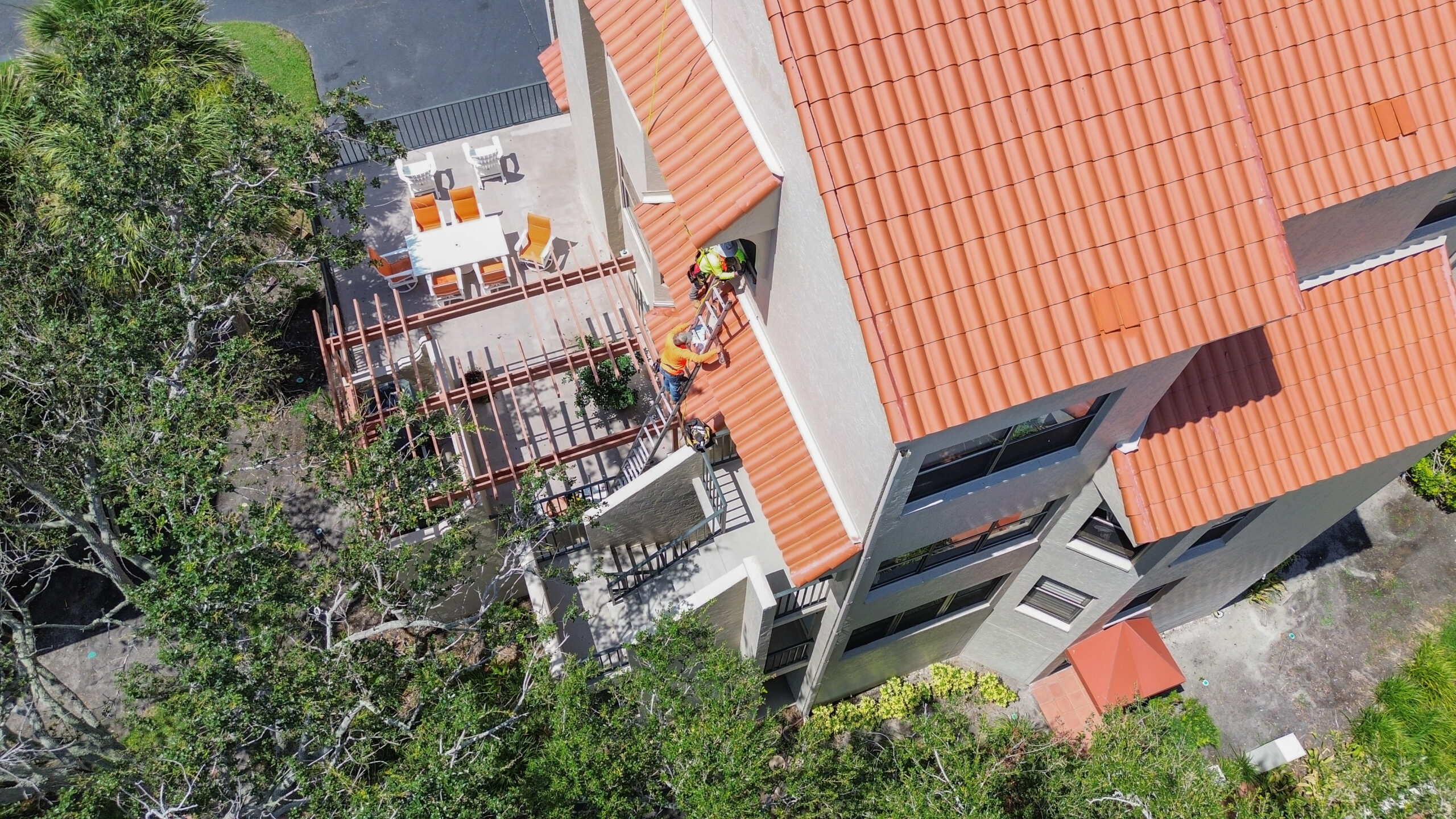
Tile roofing is another popular choice in Florida, especially for Mediterranean or Spanish-style homes. Tile roofs are known for their durability, aesthetic appeal, and ability to withstand harsh weather conditions, including high winds and heavy rains. Clay and concrete tiles are the most common materials used in Florida for tile roofs.
Pros of Tile Roofing:
- Long lifespan (50+ years)
- Excellent resistance to wind, rain, and UV rays
- Low maintenance and easy to clean
- Highly energy-efficient (reflects heat)
Cons of Tile Roofing:
- High initial cost
- Heavy, requiring additional structural support
- Can be more expensive to repair if tiles break
4. Slate Roofing
Slate roofing is one of the most durable and attractive roofing materials available. Slate tiles are made from natural stone and offer a timeless, elegant look that is highly resistant to the elements. While not as commonly used as asphalt or metal, slate roofs are a good option for homeowners who want a luxurious, long-lasting roofing solution.
Pros of Slate Roofing:
- Extremely durable (can last 100+ years)
- Fire-resistant
- Low maintenance and resistant to rot and insects
Cons of Slate Roofing:
- High cost (both for materials and installation)
- Heavy, requiring additional structural support
- Expensive to repair if damaged
5. Synthetic Roofing Materials
Synthetic roofing materials, such as synthetic slate or shake shingles, provide the look and durability of natural materials without the high cost or weight. These materials are designed to mimic the appearance of slate, wood, or tile while offering better resistance to weather and damage. Synthetic roofing is often made from recycled materials, making it an eco-friendly option.
Pros of Synthetic Roofing:
- Lower cost than natural slate or wood
- Lightweight and easy to install
- Durable and resistant to weather
- Environmentally friendly (often made from recycled materials)
Cons of Synthetic Roofing:
- Shorter lifespan compared to slate or tile
- May not be as aesthetically appealing as the natural alternatives
- Can be prone to fading over time
6. Flat Roofing (For Commercial and Modern Homes)
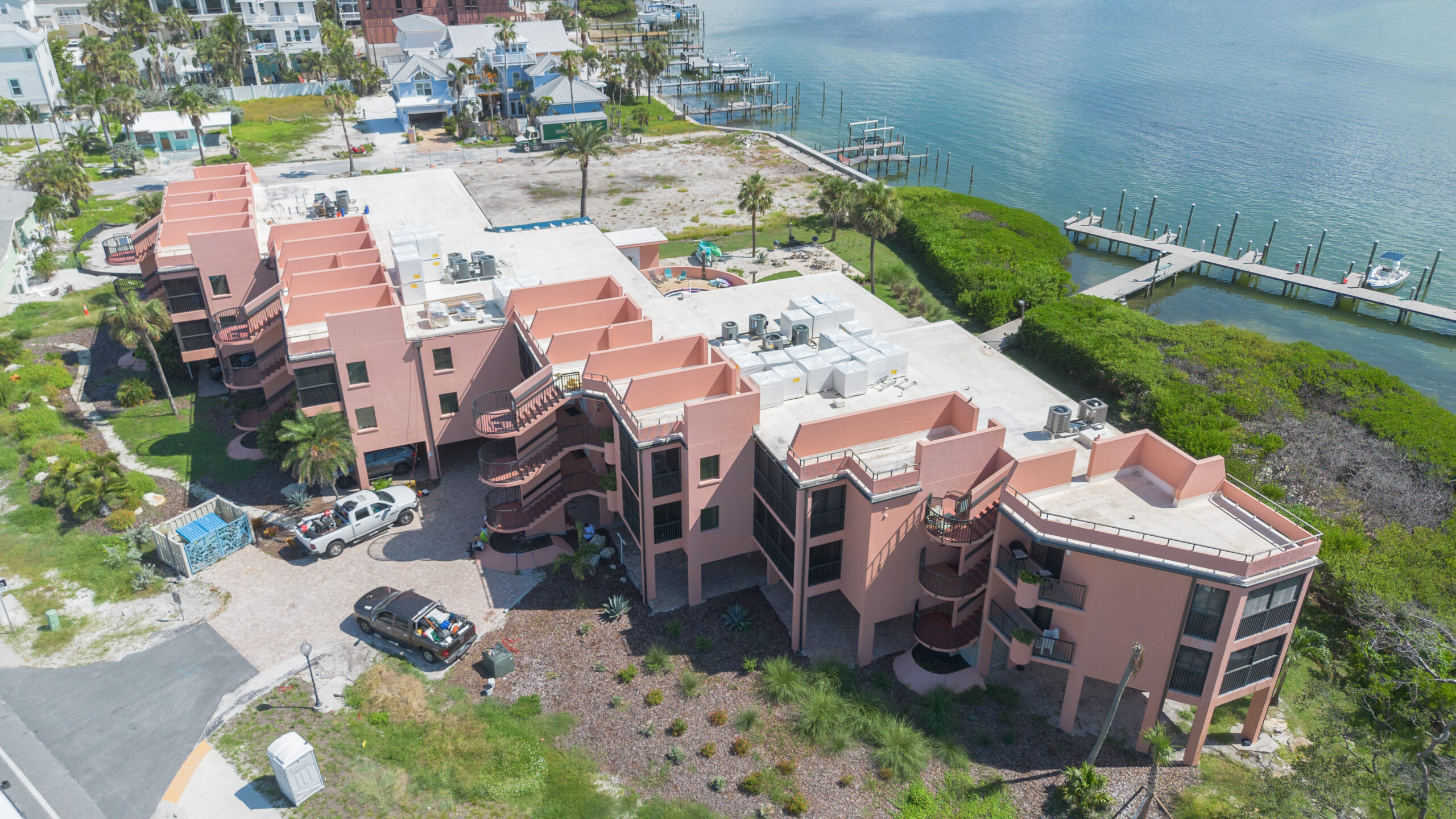
Flat roofs are more commonly found in commercial buildings but are also used in some modern residential homes. Flat roofs are typically made from materials like modified bitumen, EPDM (rubber), or TPO (thermoplastic). While they are not as common for residential homes, they can provide a sleek, modern look and are ideal for properties with minimalist designs.
Pros of Flat Roofing:
- Ideal for modern and commercial properties
- Provides extra space for HVAC units or a rooftop garden
- Relatively low installation cost
Cons of Flat Roofing:
- Requires proper drainage to prevent water pooling
- Shorter lifespan than sloped roofs
- Prone to leaks if not properly maintained
How to Choose the Right Residential Roofing for Your Florida Home
Choosing the right residential roofing for your Florida home depends on a variety of factors, including your budget, aesthetic preferences, and how well the roofing material will stand up to Florida’s climate.
Consider Florida’s Climate
Florida’s climate is hot, humid, and prone to heavy rainstorms and hurricanes. When choosing roofing materials, it’s essential to select options that can withstand high winds, intense sun, and frequent rainfall. Metal roofing, tile roofing, and shingle roofing are some of the best materials for this type of climate.
Evaluate the Long-Term Cost
While some roofing materials may have a higher upfront cost, it’s important to consider the long-term value. Metal and tile roofs, for example, are more expensive initially but have a much longer lifespan, often providing decades of protection with minimal maintenance. On the other hand, asphalt shingles are more affordable upfront but may require more frequent repairs or replacements.
Consider Aesthetic Preferences
Your roof is a significant part of your home’s exterior, so it’s important to select a roofing material that complements your home’s architectural style. For example, tile roofing is ideal for Mediterranean or Spanish-style homes, while metal roofing can be a sleek and modern option for contemporary designs.
Consult a Professional Roofing Contractor
Choosing the right residential roofing material is a big decision, and it’s important to work with a professional roofing contractor who can guide you through the process. At Resolute Roofs, we specialize in roof installation and roof replacements in Florida. Our expert team can help you choose the right materials, provide professional installation, and ensure that your roof is built to last.
Conclusion
Investing in the right residential roofing material is essential for the longevity and protection of your Florida home. Whether you opt for metal roofing, tile roofing, or asphalt shingles, it’s important to choose a material that can withstand Florida’s extreme weather conditions, offers long-term durability, and enhances your home’s curb appeal.
If you’re ready to replace your roof or need assistance selecting the best roofing material for your Florida home, contact Resolute Roofs today. Our team of experts is ready to help you make the right choice for your home’s roofing needs and ensure your home is protected for years to come.